Design Case Study
BLUE LENS STUDIO
Blue Lens Studio is a studio and event management company based in a bustling urban city. They specialize in providing end-to-end event management services for corporate events, conferences, product launches, weddings, and other social gatherings. Additionally, they own and manage a state-of-the-art studio facility that caters to film productions, photo shoots, and audio recording sessions. With a team of experienced professionals, Blue Lens Studio aims to create unforgettable experiences for their clients, ensuring every event is executed seamlessly and with utmost creativity.
PROBLEM STATEMENT
Blue Lens Studio a renowned studio and event management company, is facing a significant challenge of declining studio bookings in recent months. Despite their reputation for excellence in event management and state-of-the-art studio facilities, the occupancy rate of their studio has significantly dropped, resulting in underutilization of resources and potential revenue loss. The company needs to identify the root causes behind this decline and devise effective strategies to regain momentum and attract a diverse range of clients for studio bookings.CHALLENGES
- Market Competition: The events industry is highly competitive, with several established players and emerging competitors offering similar services. Blue Lens Studio needed to find a way to stand out from the competition and attract a diverse range of clients.
- Building a Solid Client Base: As a relatively new company, Blue Lens Studio faced the challenge of acquiring and retaining a stable client base. They needed to establish a reputation for excellence to secure long-term contracts and repeat business.As a relatively new company, Blue Lens Studio faced the challenge of acquiring and retaining a stable client base. They needed to establish a reputation for excellence to secure long-term contracts and repeat business.
- Studio Utilization: The studio facility, though equipped with top-notch technology, faced periods of underutilization. The challenge was to maximize its occupancy and generate consistent revenue from various media productions.
- Logistical and Operational Efficiency: Event management requires meticulous planning, coordination, and execution. Ensuring smooth operations, effective communication, and timely delivery while managing multiple projects concurrently presented a significant challenge.
STRATEGIES IMPLEMENTED
- Distinctive Branding and Marketing: Blue Lens Studio focused on developing a unique brand identity that resonated with their target audience. They invested in creative marketing campaigns across various platforms, highlighting their creativity, attention to detail, and customer-centric approach.
- Client Engagement and Relationship Building: The company emphasized building strong relationships with clients by actively listening to their needs and tailoring event solutions accordingly. This helped in creating a loyal customer base through word-of-mouth referrals.
- Networking and Collaborations: Blue Lens Studio actively networked within the industry, partnering with vendors, suppliers, and venues. Collaborative efforts not only expanded their service offerings but also enhanced their credibility.
- Diversification of Services: To increase studio occupancy, they expanded the studio's services to offer video production, live streaming, and podcast recording facilities. This attracted a wider range of clients from the media and entertainment sector.
- Streamlined Operations with Technology: Adopting event management software and tools helped streamline processes, including client communication, project planning, and resource allocation. This improved overall efficiency and reduced the likelihood of errors.
RESULT
- Increased Brand Recognition: Blue Lens Studio successfully established itself as a reliable and innovative event management company. Positive reviews and client testimonials contributed to an increase in brand recognition and referrals.
- Growing Client Base: By consistently delivering exceptional event experiences, they acquired several high-profile clients, leading to repeat business and a steady flow of new clients seeking their services.
- Optimized Studio Occupancy: The studio's utilization improved significantly due to the introduction of new services and better marketing efforts. This resulted in increased revenue from media production bookings.
- Improved Efficiency and Client Satisfaction: Implementing technology solutions streamlined operations, leading to enhanced efficiency in handling multiple projects simultaneously. This, in turn, led to higher client satisfaction and positive feedback.
KEY LEARNINGS
- Through creative branding, client-focused strategies, and technology-driven operations, Blue Lens Studio successfully navigated the challenges of the competitive events industry and flourished as a leading studio and event management company. Their ability to adapt, innovate, and build lasting relationships contributed to their growth and prominence in the market.
Client-Centered Services:
- The studio and event management company, Blue Lens Studio, prioritize understanding clients' unique needs and preferences.
Emotional Significance:
- They empathize with the emotional significance of each event, ensuring personalized and memorable experiences.
Budget-Friendly Solutions:
- Blue Lens Studio respects clients' budget constraints and offers cost-effective event solutions without compromising quality.
Effective Communication:
- They adapt communication styles to suit clients' preferences, facilitating clear and efficient dialogue.
Timely Execution:
- Blue Lens Studio values timeliness and ensures seamless event coordination for on-time delivery.
Feedback-Driven Improvements:
- Client feedback is actively sought and utilized for continuous improvement.
Empathetic Crisis Management:
- In challenging situations, they display empathy, promptly resolving any issues to ensure client satisfaction.
Building Client Relationships:
- Empathy fosters strong client relationships, encouraging repeat business and positive referrals.
Adapting to Industry Trends:
- Empathy enables them to adapt to diverse client needs and stay ahead in the dynamic event management industry.
Goals:
- Defined concise goals for the landing page by analyzing the provided goal by the client, focusing on enticing the target audience to explore and purchase the PS4 Pro during the Game Day event.
Information Architecture:
- Identify key content and features to be included in the landing page, such as showcasing unique selling points, attractive visuals, concise product information, and clear calls to action.
- Organized the landing page’s information architecture to create a seamless and intuitive user journey, highlighting product details and the purchase option.
Visual Identity:
- Established a bold yet minimally balanced visual identity using high-resolution imagery, brand colors, fonts, and a minimal design system to balance showcasing product features and maintaining a visually appealing design.
- Brand font style was selected: Avenir.
- Brand colours were selected: #fff, #000, #003a8b
- Colour style was defined: Gradients (#09bbfe, #5a42ec) since gradients give a more futuristic look and feel and are liked by our target audience.
Design Approach:
- Prioritize a mobile-first design approach, considering that around 95% of internet users access content via mobile devices.
- Optimize content and layout for smaller screens without compromising the desktop experience, adopting a responsive design framework and a mobile-first mindset for a seamless cross-device experience.
Themed Event Concepts:
- Develop unique and captivating themed event concepts that resonate with clients' target audiences, creating immersive experiences.
Exclusive VIP Packages:
- Create exclusive VIP packages for high-profile clients, offering premium services and customized experiences to elevate their events.
Collaborative Partnerships:
- Forge strategic partnerships with influencers, local businesses, and entertainment providers to enhance event offerings and attract diverse audiences.
Sustainability Initiatives:
- Incorporate eco-friendly practices into event planning to align with the growing demand for sustainable events and appeal to environmentally conscious clients.
Digital Marketing Strategies:
- Utilize cutting-edge digital marketing techniques, such as social media campaigns and influencer marketing, to enhance brand visibility and attract new clients.
Tech-Driven Experiences:
- Introduce interactive technologies, such as augmented reality (AR) and virtual reality (VR), to create captivating and immersive event experiences.
Corporate Social Responsibility (CSR) Events:
- Offer CSR-focused event planning services, enabling clients to give back to the community while promoting their brand's values.
Destination Events:
- Expand services to include destination event planning, capitalizing on the allure of unique locations and providing clients with unforgettable experiences.
Revamped Studio Offerings:
- Upgrade and diversify studio facilities to accommodate new media production trends, such as live streaming and podcast recording, attracting a broader range of clients.
Visual Design and Brand Consistency:
- Created visual designs based on selected wireframes.
- Subtly integrated Amazon landing page guidelines such as page margins, layouts, the overall sequence of sections of the landing page, and Amazon policy adherence to maintaining brand consistency while leveraging the advertising platform.
Responsive Design and Functionality:
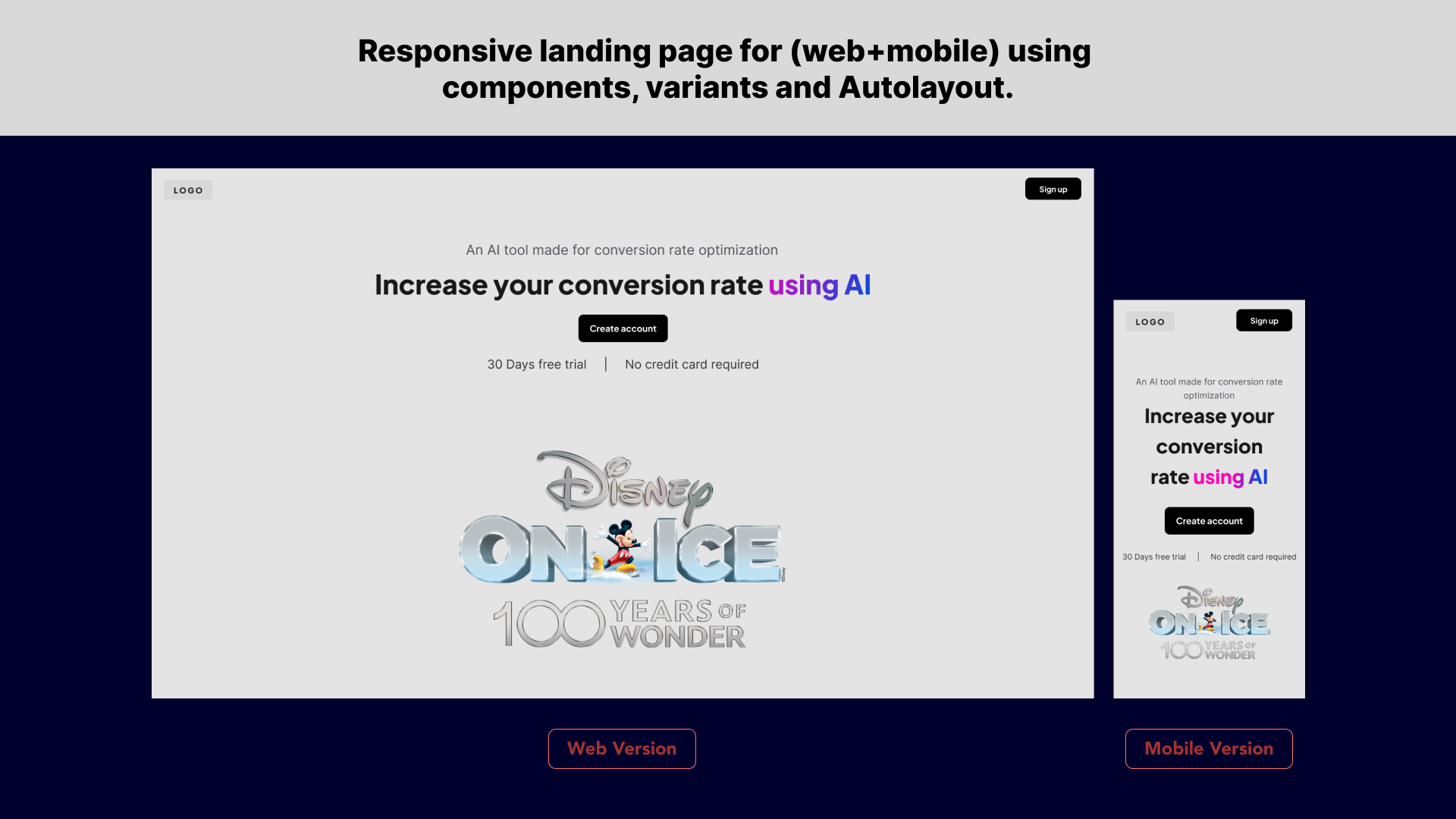
- Designed the landing page to be responsive, ensuring a seamless experience on both desktop and mobile devices.
- The layout and content adapted fluidly to different screen sizes, maintaining readability and accessibility.
User Experience and Information Architecture:
- Implemented the information architecture created during the define stage effectively in the prototype.
- Users could navigate from the landing page to the product purchase page through the CTA and did not require any additional steps.
- The layout prioritized essential content, reducing clutter and cognitive load, resulting in a streamlined user experience.
- Designed two versions of the landing page to do internal testing with multiple design teams, campaign managers, client representatives, and some controlled users: one more playful and the other resembling a standard Amazon store landing page design.
Collaboration and Feedback Gathering:
- Collaborated with stakeholders, including creative campaign managers, clients, development team, QA team, equity team, and user testing team, to gather feedback on prototypes.
- Conducted usability testing to evaluate the effectiveness and user-friendliness of the landing pages.
- Conducted internal testing between two created landing page prototypes.
Refinement and Iteration:
- Iterated the selected prototype B design during post-launch user testing based on received feedback, addressing design challenges and refining the final product. The new design was again tested with users to ensure the effective implementation of changes.
Conclusions from the Test Stage:
- Stakeholder Input: Feedback from stakeholders, including visual designers, campaign managers, clients, and engineers, provided additional perspectives and insights to refine the design and ensure technical feasibility.
- Internal testing: During the pre-development phase of the design, controlled user testing with 43 users and multiple people who knows design teams, was conducted between two UI designs, resulting in the selection of version 2 as the design with 83% more design approval and 67% more CTR.
- User Feedback: Gathering feedback from users during post-launch testing provided insights into their experience, preferences, and any encountered usability issues. These were addressed by making a final set of changes to the developed design.
- Engagement and Conversion: Post-launch user-engagement metrics for the iterated landing page for Blue Lens, including click-through rates (increased by 59%), time spent on the page (increased by 87%), and sale-conversion rates (increased by 43%), helped assess the effectiveness of the design in achieving desired goals.
Illustrate
Few other work